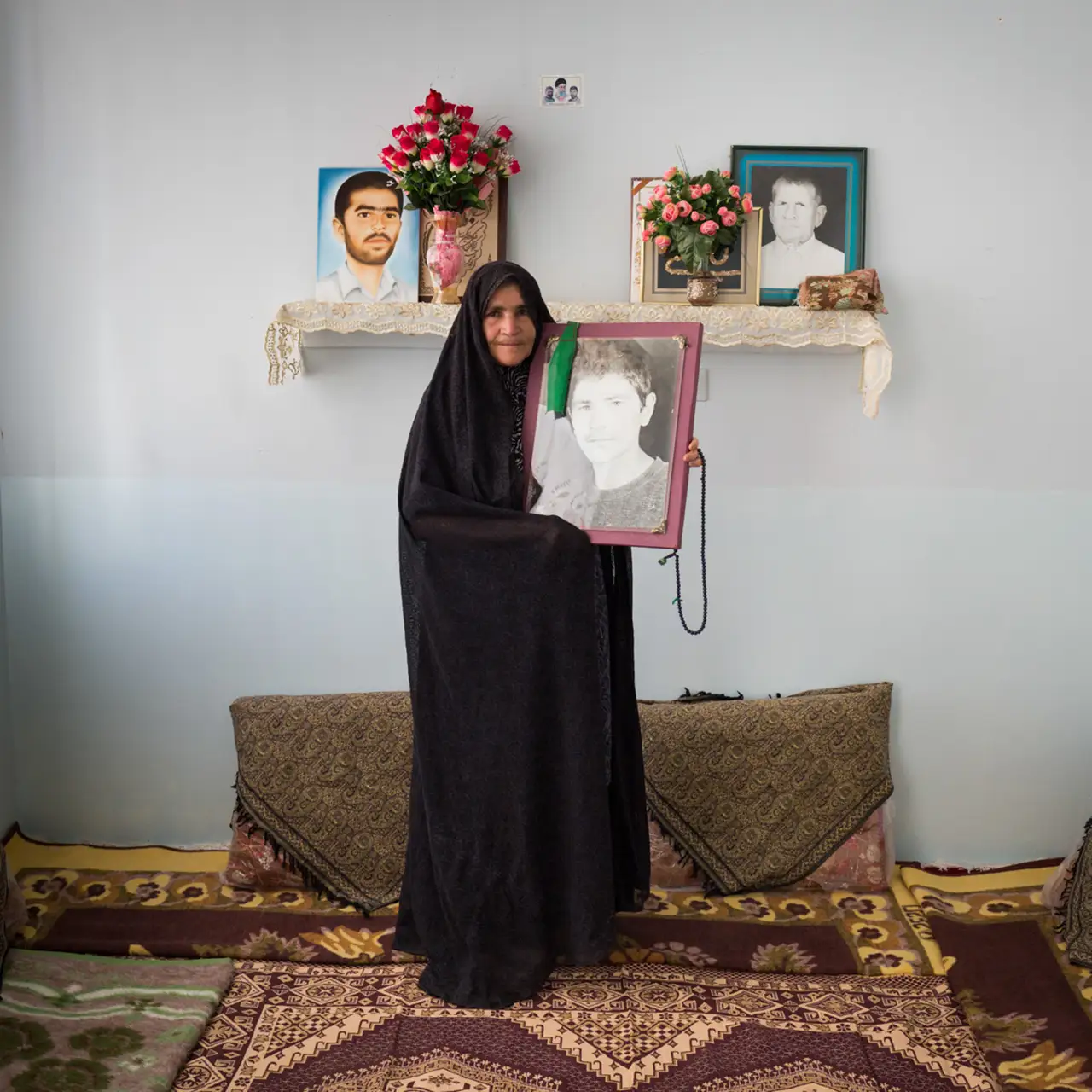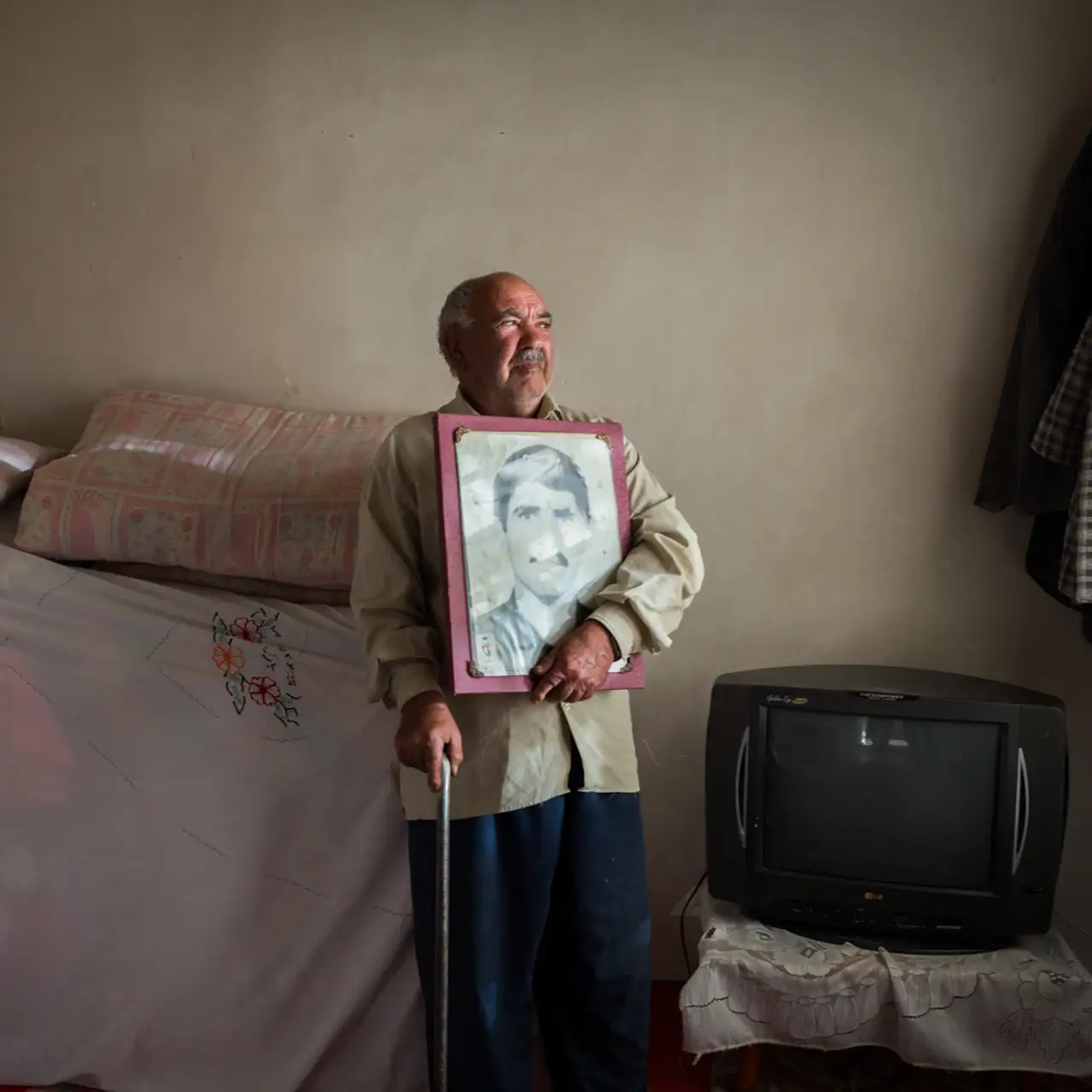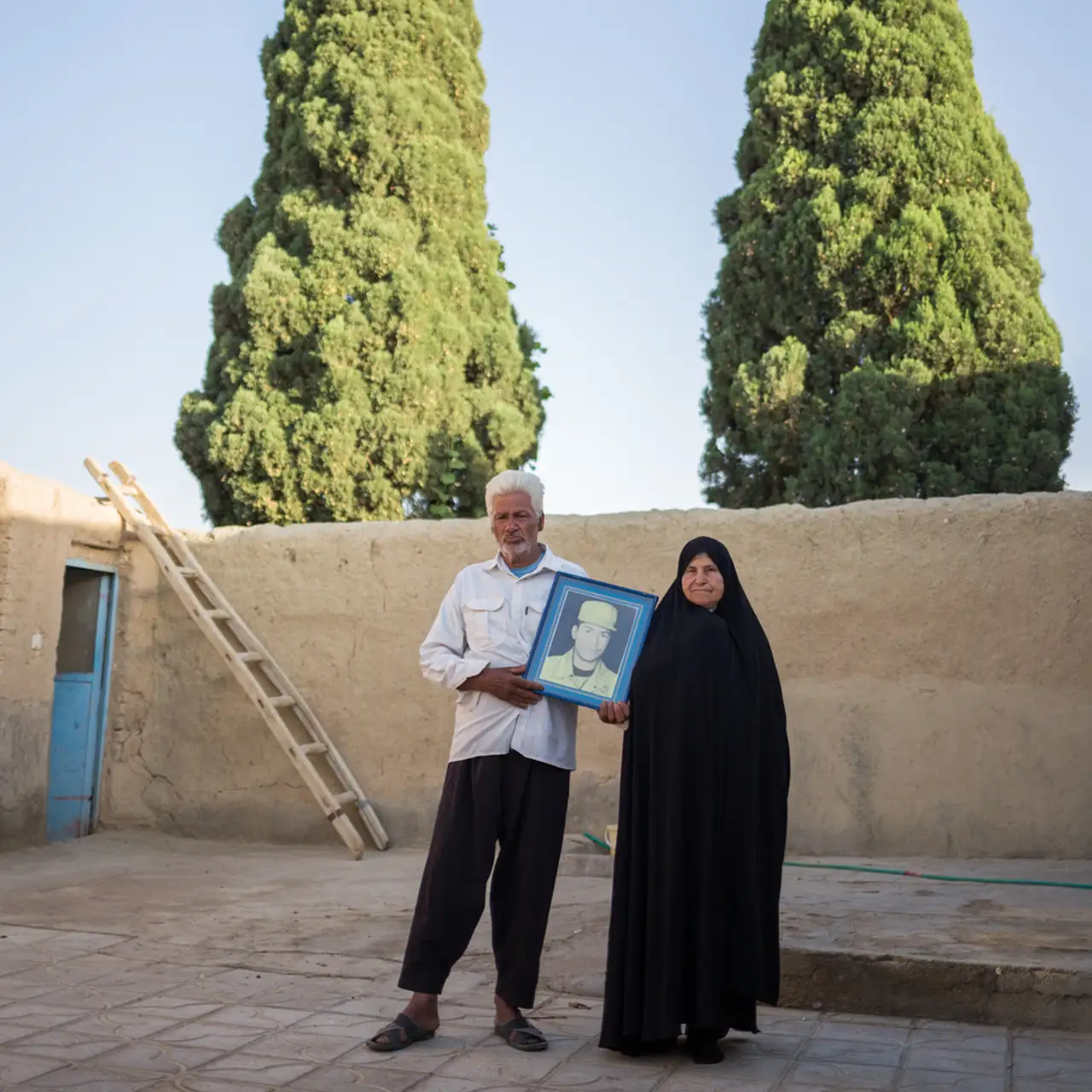
Parents of Martyrs
On September 1980, a long-standing (about eight years old) war broke out by Iraqi dictator Saddam Hussein between Iran and Iraq (two neighboring countries of the Middle East). The excuse for Baghdad to begin the war was the return of three small areas that were to be transferred to Iraq under the 1975 agreement, called the Algerian agreement. It was the longest war in the twentieth century and the second longest war in this century after the Vietnam War. The war, which left at least half a million deaths and billions of dollars in losses and no achievement for the parties involved in war, ended with the adoption of UNSC Resolution 598 by Iran in 1988.
The Islamic Republic, which was recently formed by the overthrow of the Pahlavi Empire, was weak at the outbreak of the war in the organization of the military forces, which led to the capture of areas of Iran under the Iraqi army.
A year before the start of the war between Iran and Iraq, in 1358, under the command of Ayatollah Khomeini, a force called “Basij” was formed, which involved recruiting, training, organizing and employing popular volunteers in pursuit of the objectives of Islamic Revolution and preserving its achievements.
These popular volunteers, mostly young people were organized on the onset of the war and were sent to war as part of the Islamic Revolutionary Guards Corps (Basij) and a part of the army to fight Iraqi forces alongside the forces.
In the value system of the Islamic Republic and its war literature, the presence of teens in the war with Iraq is proud. The pleasure of many teenagers is also an honorary bonus to deploy to the battlefields. There are references to the presence of children and adolescents in the war in the religious and historical texts of many nations, from ancient Greek myths to Egyptian paintings and gospel stories, they all confirm the presence of child and teen soldiers in the wars.
According to unofficial statistics, the number of Iranian martyrs in this war was more than 224,000, of whom more than 65,000 were between the ages of 15 and 19. The youth and teenagers each have a special place for their families and now they are dear to the people of Iran with their testimony.
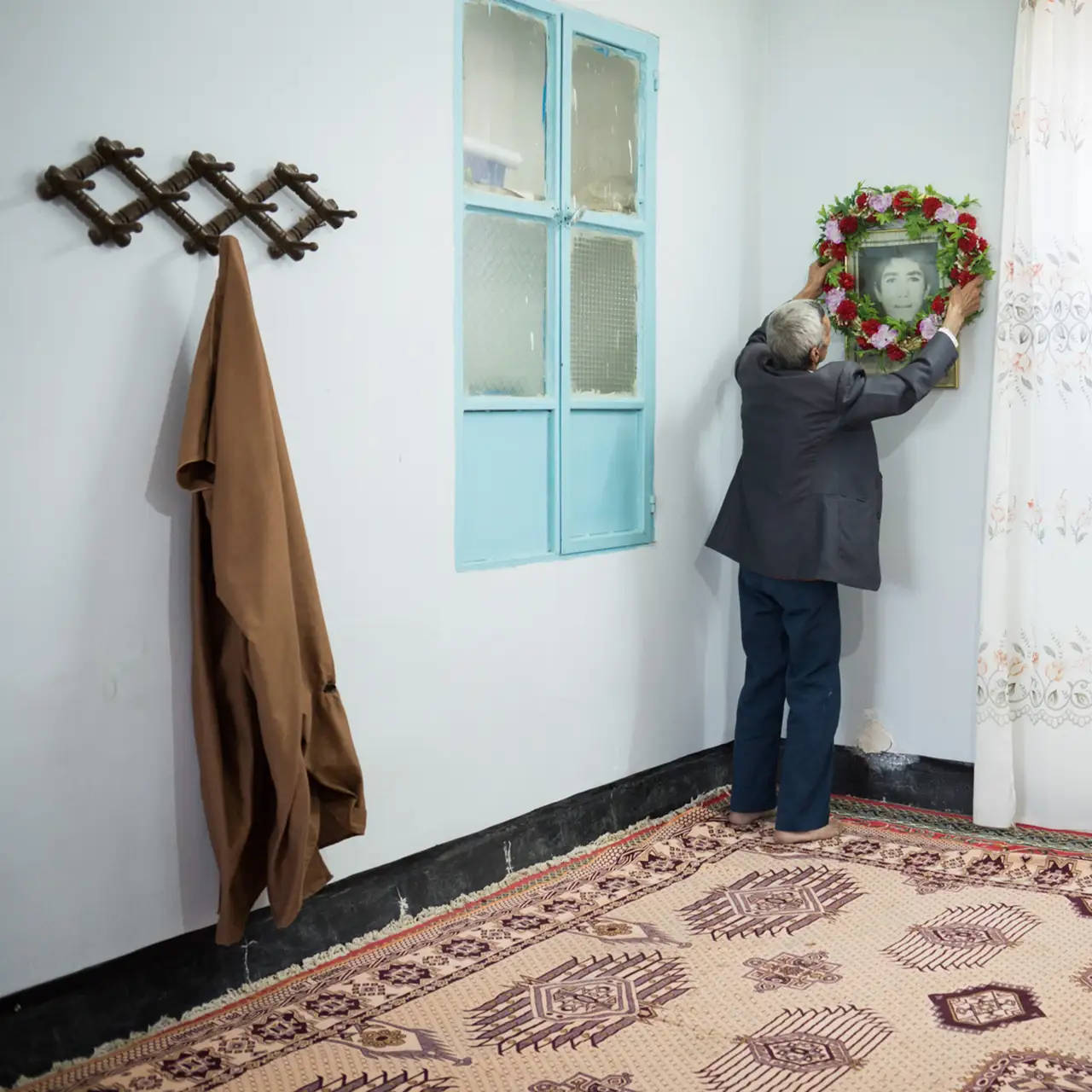
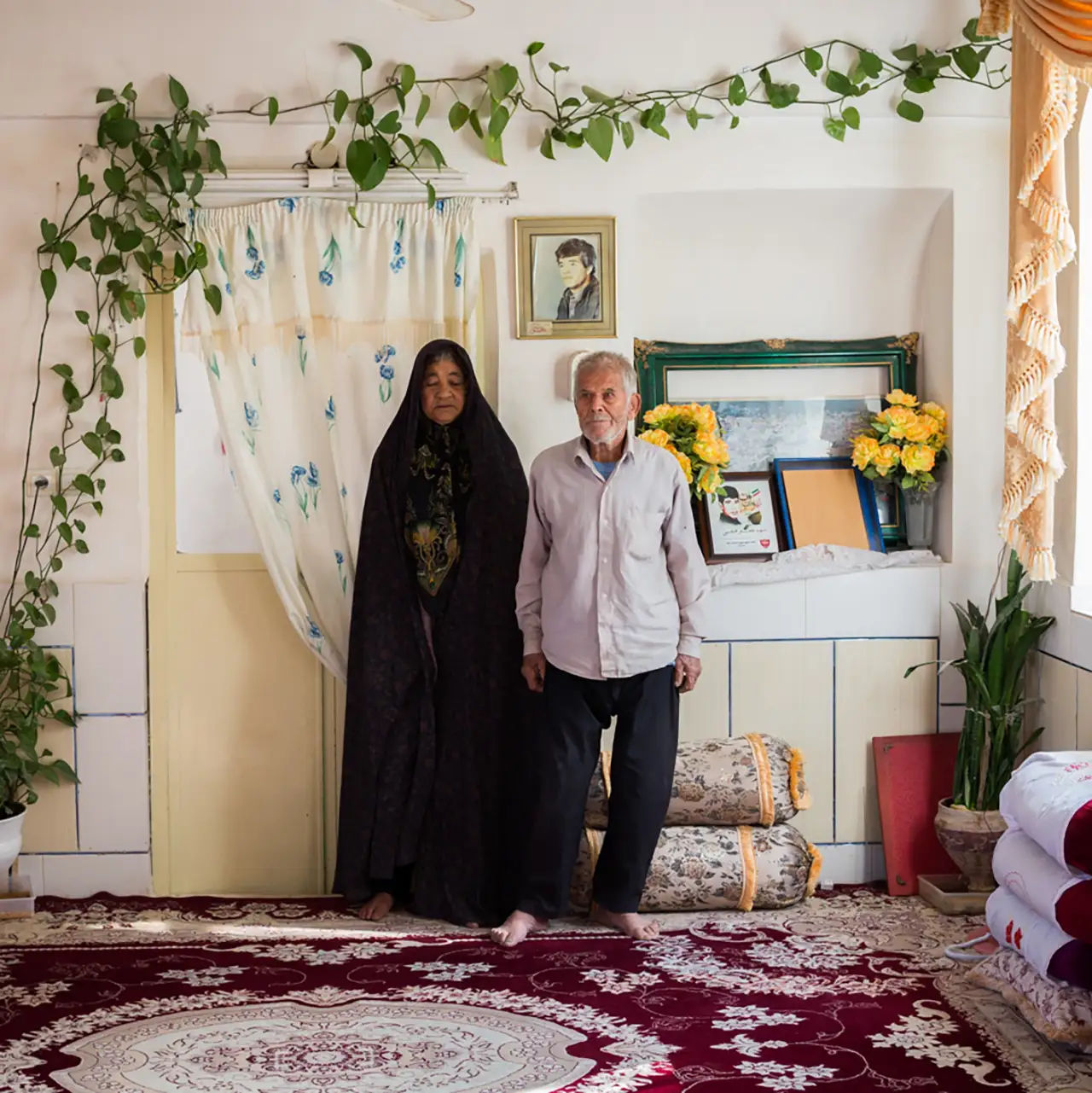
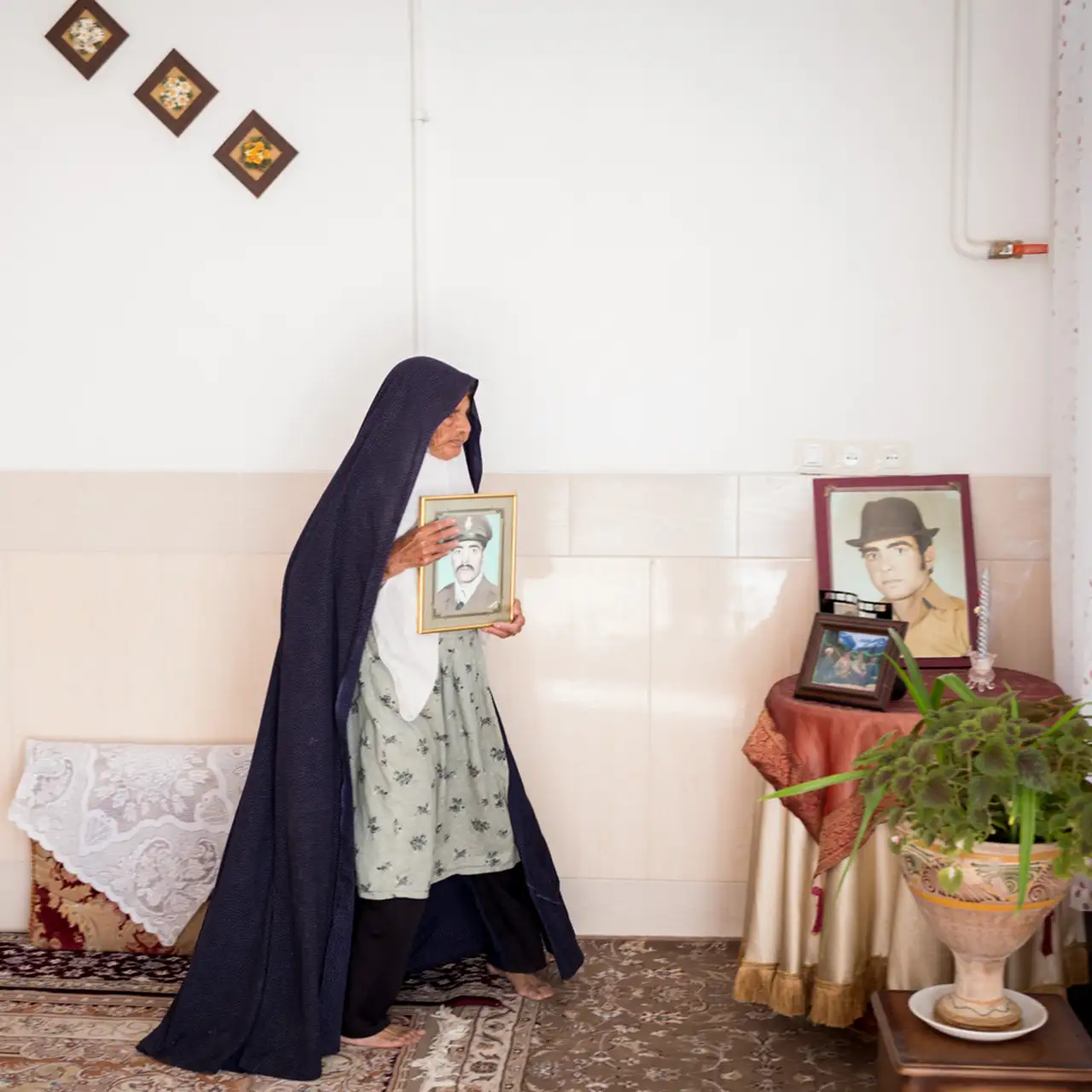
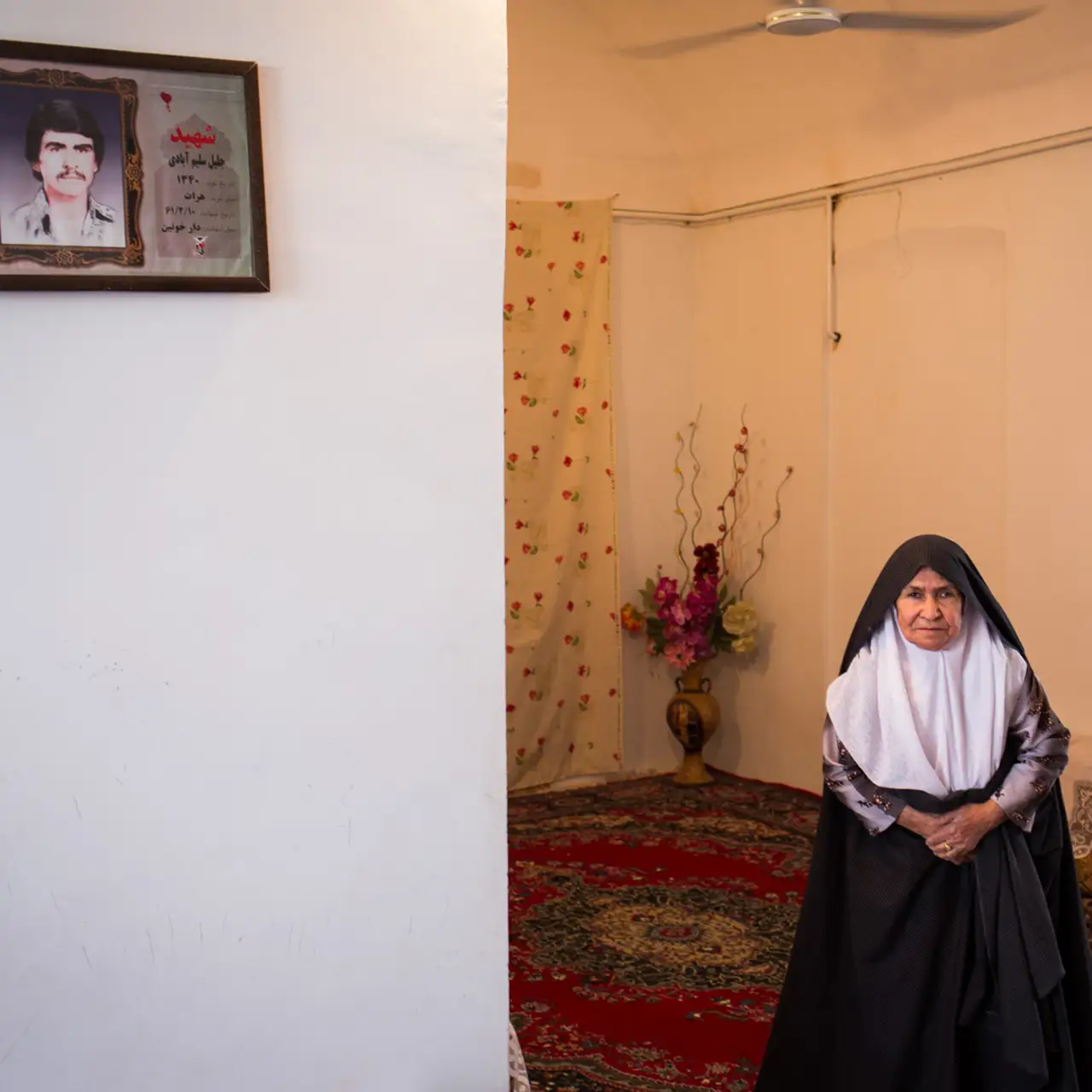
The portraits of fathers and mothers who have lost their young children in an eight-year-long war between Iran and Iraq (1357-1369 Hijri), The war, which has been the cause of casualties and injuries since many years, has affected the peoples of the two lands.
These parents are praising their martyrs as protagonists, but the suffering of the loss of a young child is very heavy for them. These fathers and mothers have never been in frontline, but have been wounded deeply from the war, and now, after talking to them after many years, they still missed their descendants and live with the memories of their children.
The world continues to suffer from the phenomenon of “child soldiers”. Human rights organizations estimate that between 200 and 300,000 children are involved in military conflicts. The use of children in war has always been blamed on the general culture of nations, to the extent that it is described as a “war crime” But, this has not prevented such use of child soldiers.